All plants and fungi
15 plants and fungi, A to Z. Each page describes the plant or fungus and links to the traditions that use it.
-
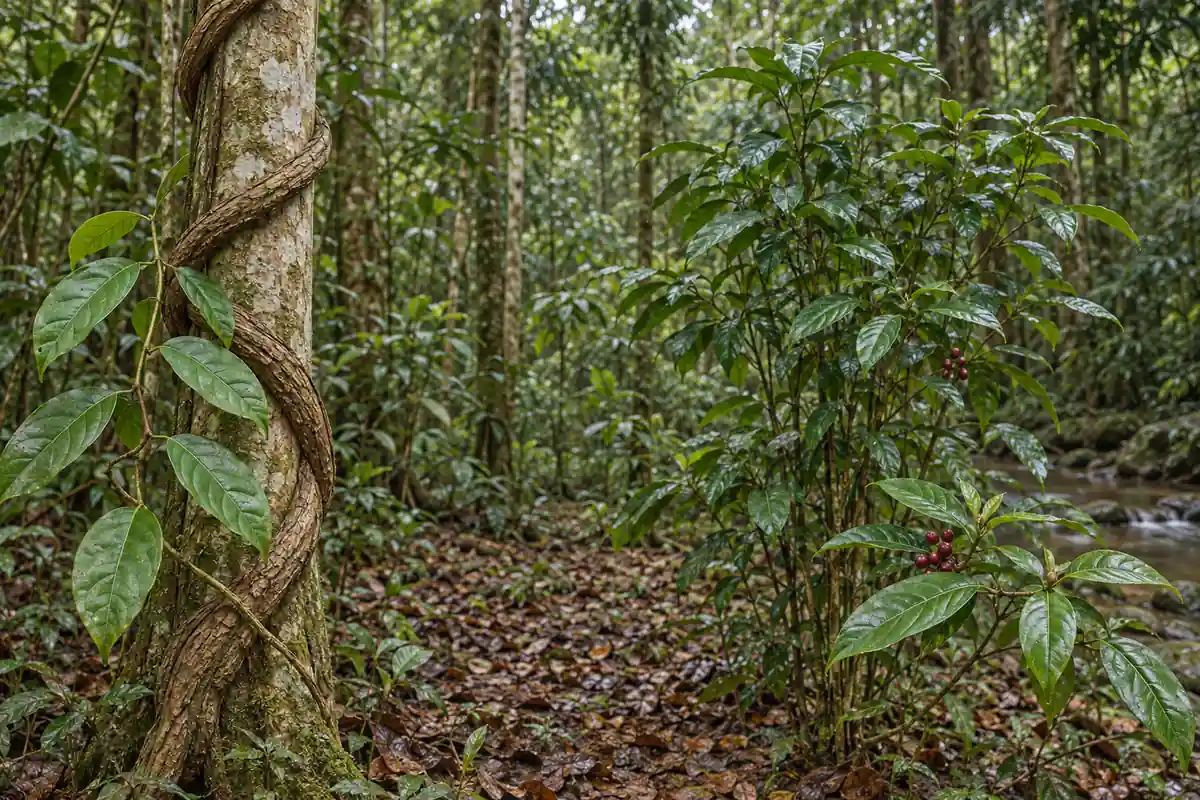
Ayahuasca
A brew made from an Amazonian vine, often with the leaves of another plant, drunk by Indigenous peoples, mestizo healers and members of Brazilian religions.
-
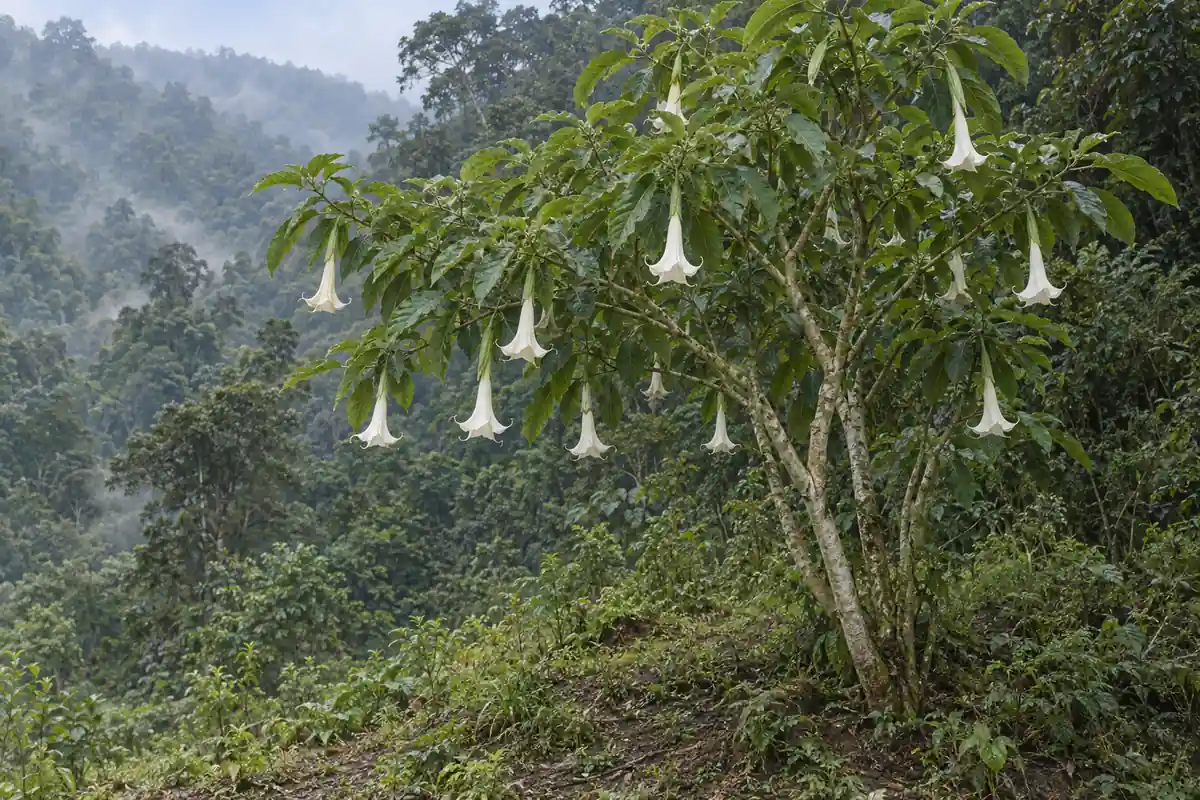
Brugmansia (angel's trumpet)
A flowering South American tree that causes vivid delirium, used by the Shuar, Kamëntšá, Inga and other peoples, and by mestizo healers in Peru.
-
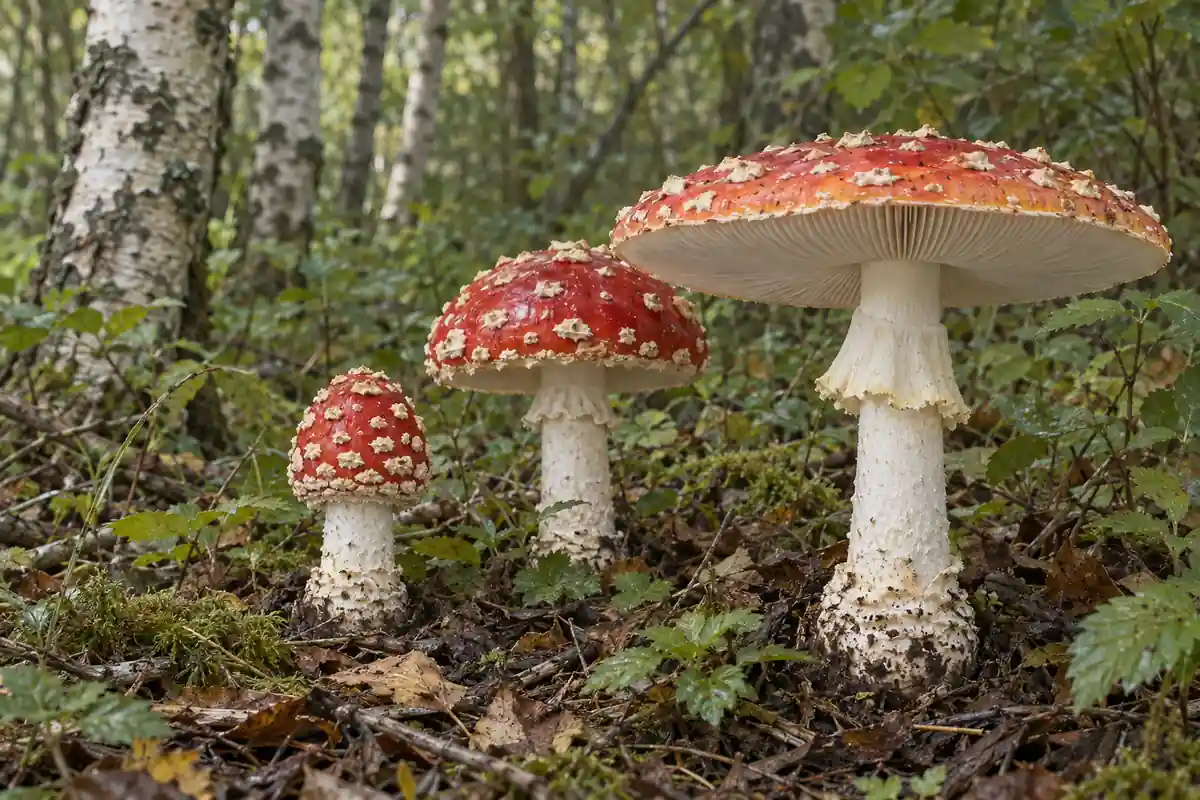
Fly agaric
A red, white-spotted mushroom eaten by the Koryak of Russia's Far East, who treat it as a spirit-person that gives strength and cheer.
-
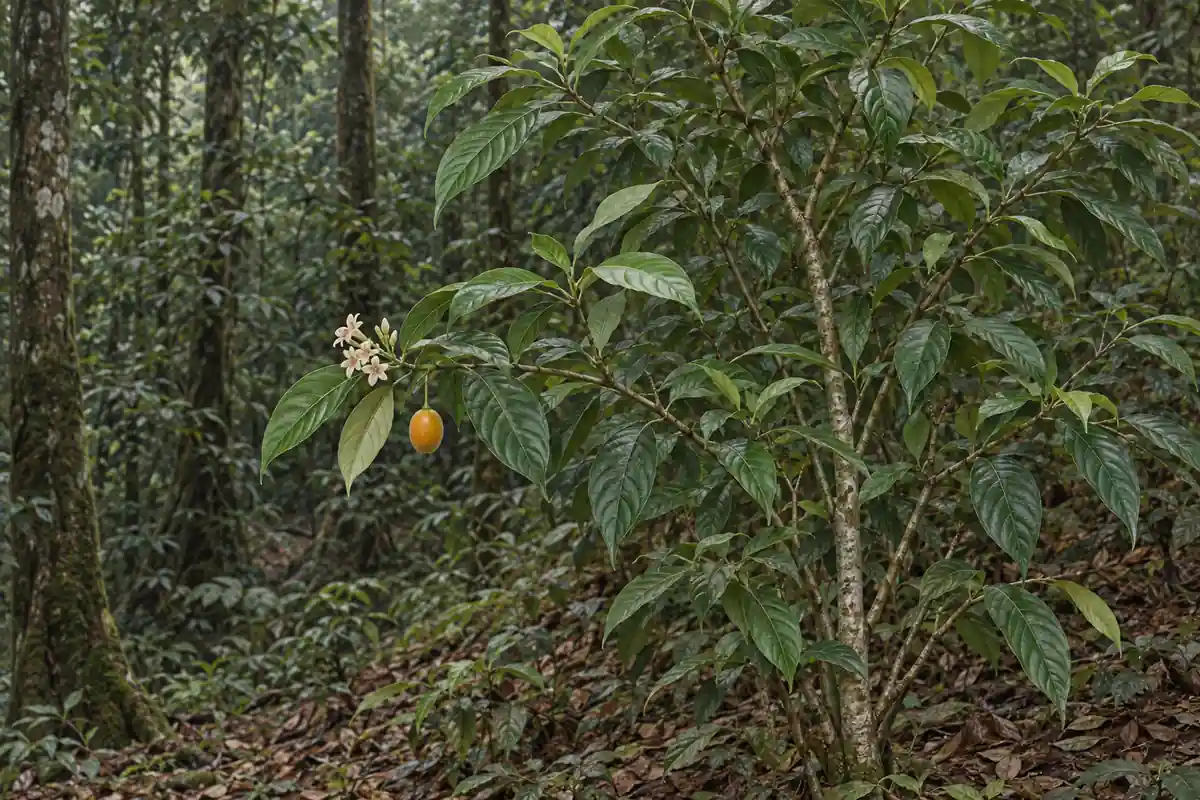
Iboga
A Central African forest shrub whose root the Mitsogho and Fang eat in their Bwiti traditions to meet the ancestors or see the dead.
-
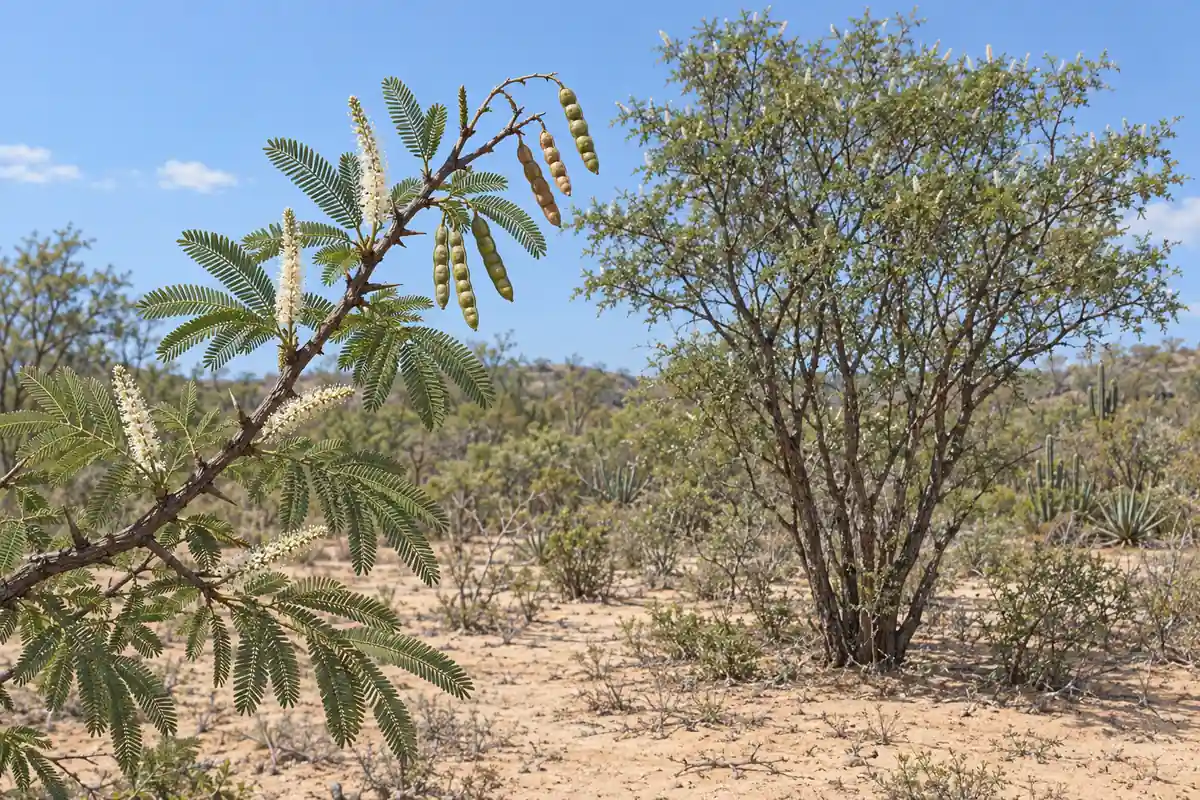
Jurema
Jurema is a thorny tree and the sacred drink made from it, used by Indigenous peoples and Jurema Sagrada practitioners in northeastern Brazil.
-
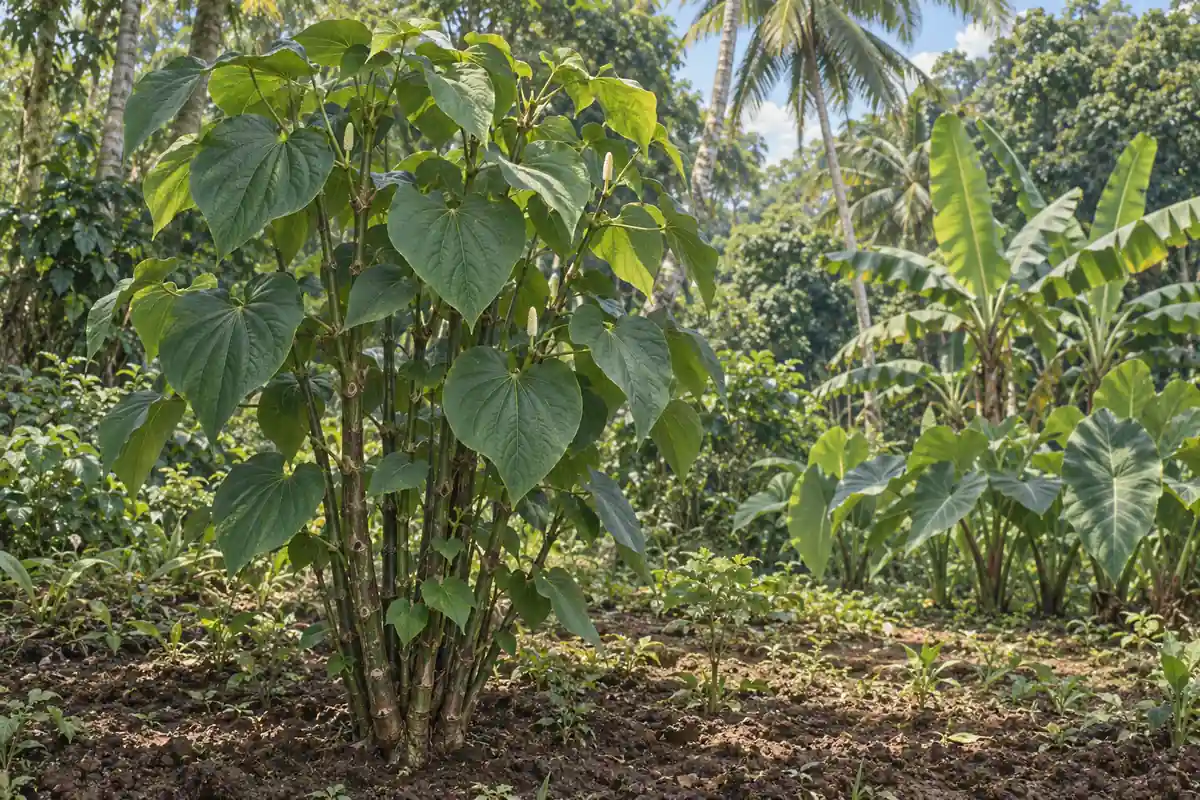
Kava
A drink made from the roots of a Pacific pepper shrub. Across many Pacific islands, including among Ni-Vanuatu and Indigenous Fijians, people share it at welcomes, reconciliations and other customary occasions.
-
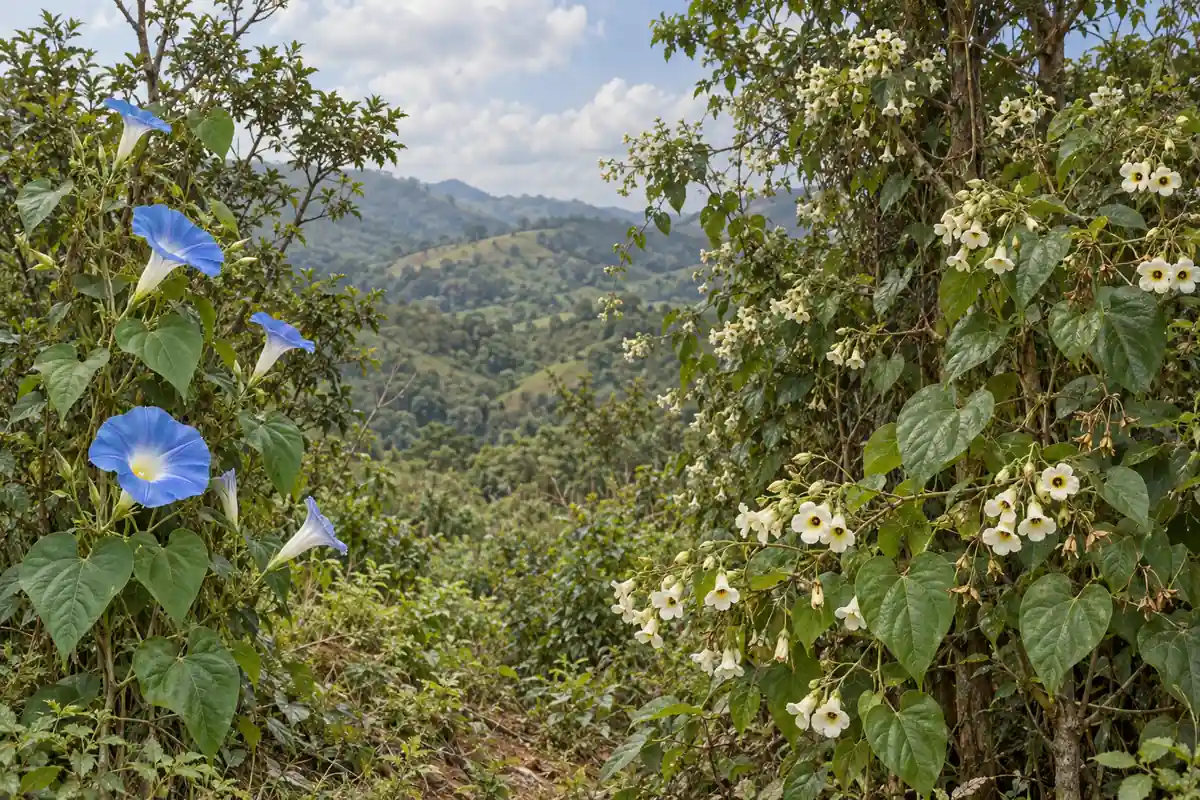
Ololiuqui (morning glory seeds)
Indigenous communities in Mexico, including in Oaxaca and Guerrero, have turned to the seeds of two morning glories to learn why someone is sick and where lost things have gone.
-
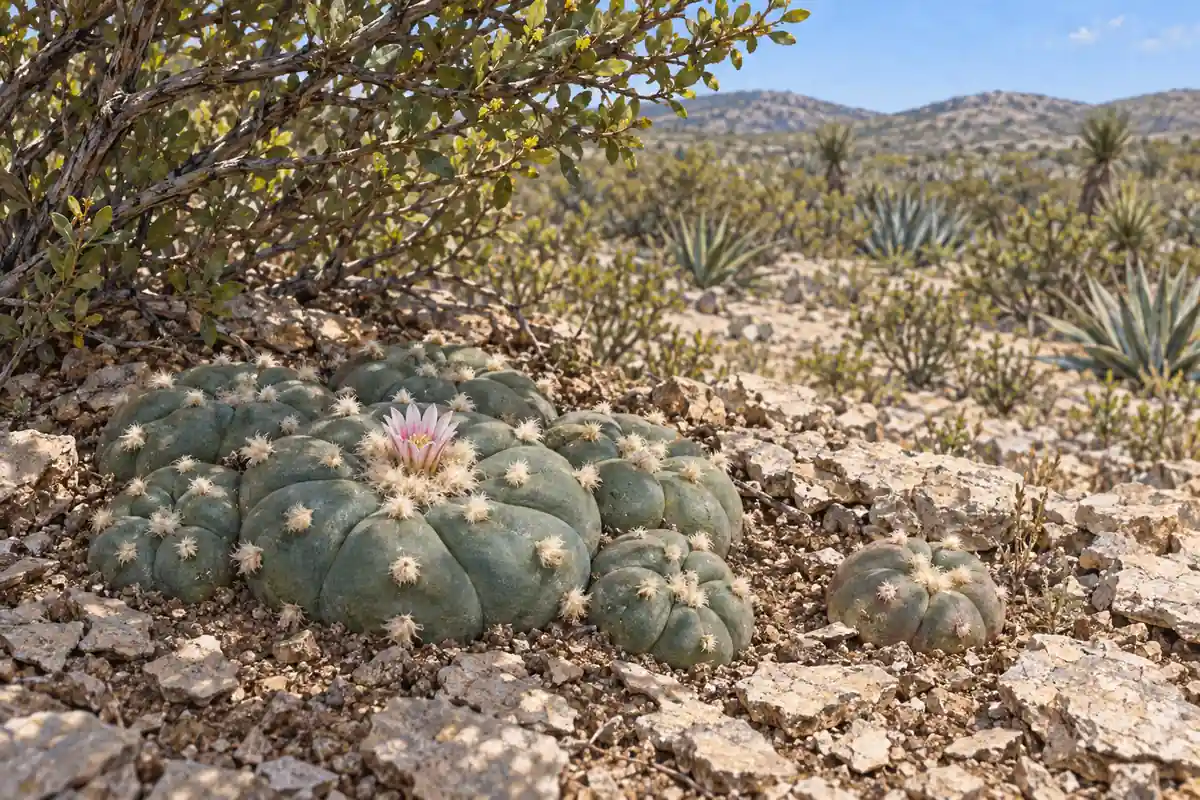
Peyote
A small, spineless desert cactus used in ceremony by several Indigenous peoples of North America, including the Wixárika (Huichol) of western Mexico, who eat it to receive visions and healing.
-
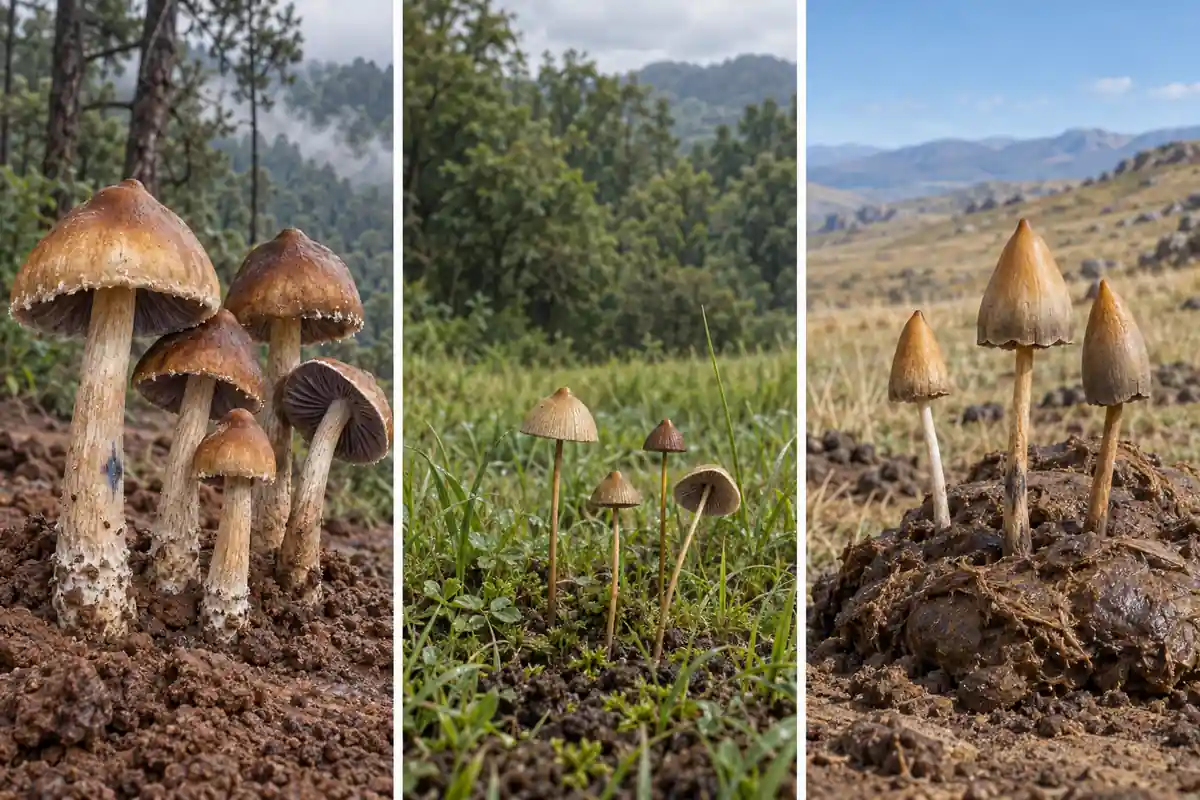
Psilocybin mushrooms
These mushrooms contain psilocybin, a psychedelic compound. They are used by Indigenous communities in Mexico, including Mazatec and Zapotec communities, and by some Basotho healers in southern Africa.
-
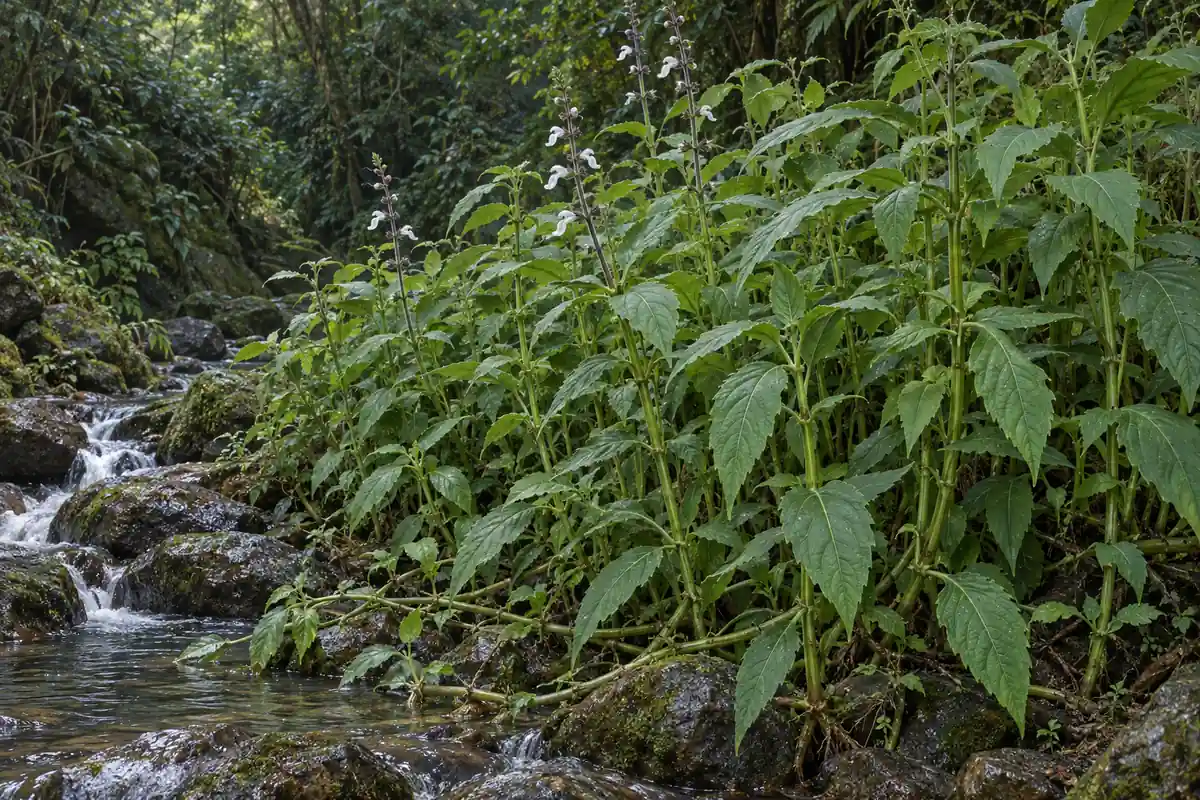
Salvia divinorum
A Mexican plant in the mint family. Mazatec healers and patients use its fresh leaves in night ceremonies to seek the causes of illness.
-
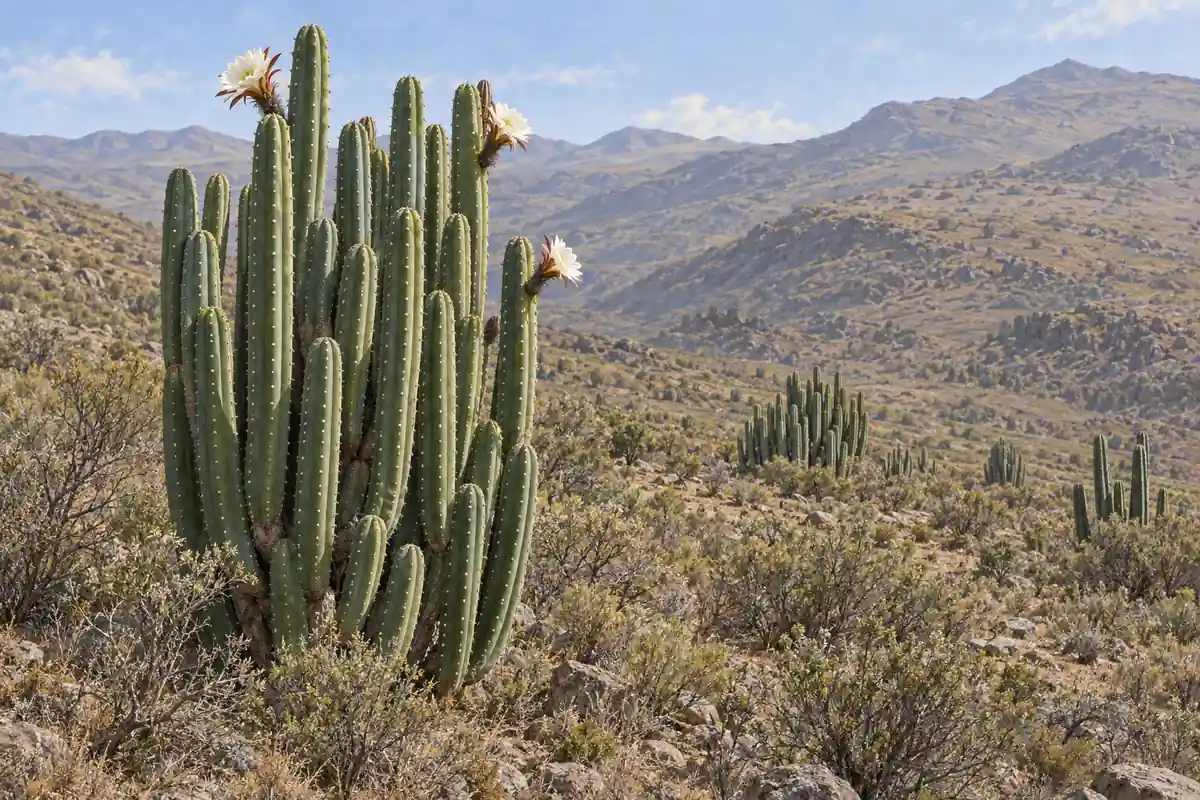
San Pedro (huachuma)
A tall Andean cactus that contains mescaline. It is taken as a drink in healing traditions of Peru and Ecuador, notably in the all-night sessions of healers and patients in northern Peru.
-
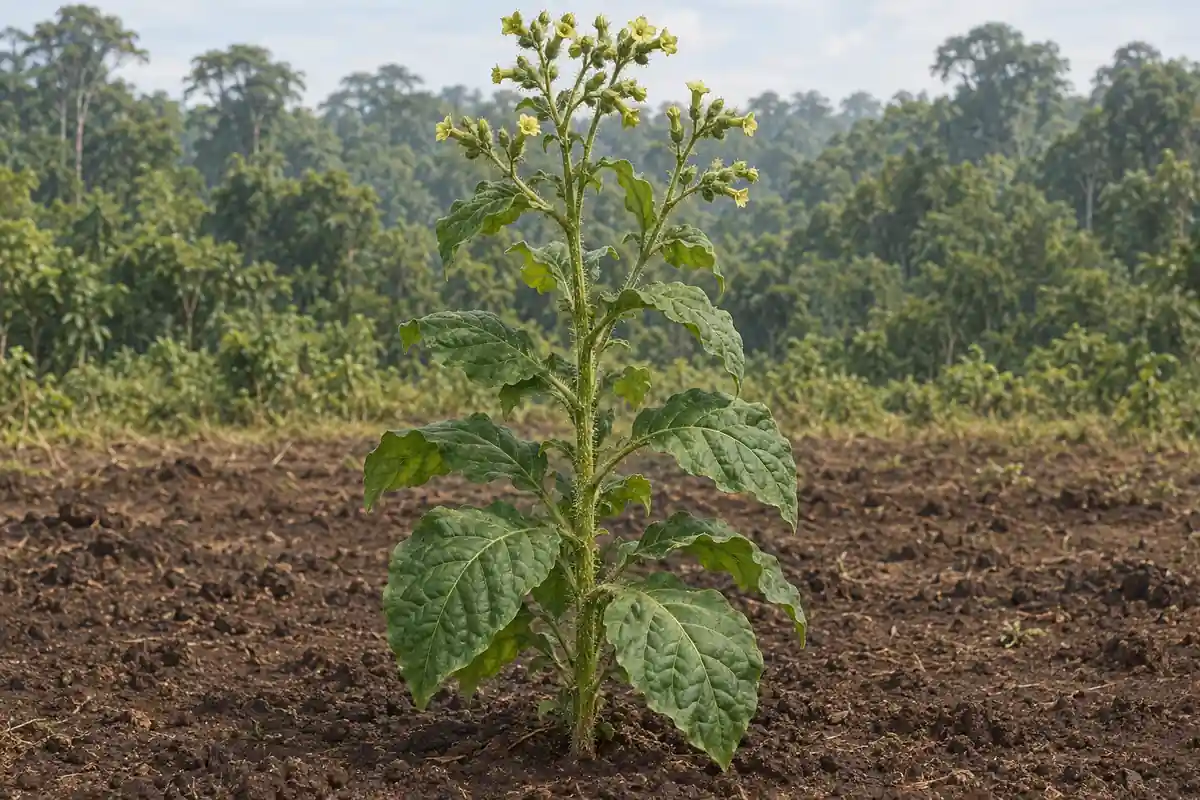
Tobacco
A nicotine-bearing plant first cultivated in the Americas and used by many peoples, among them the Warao of the Orinoco Delta, who understand its smoke as food for the gods.
-
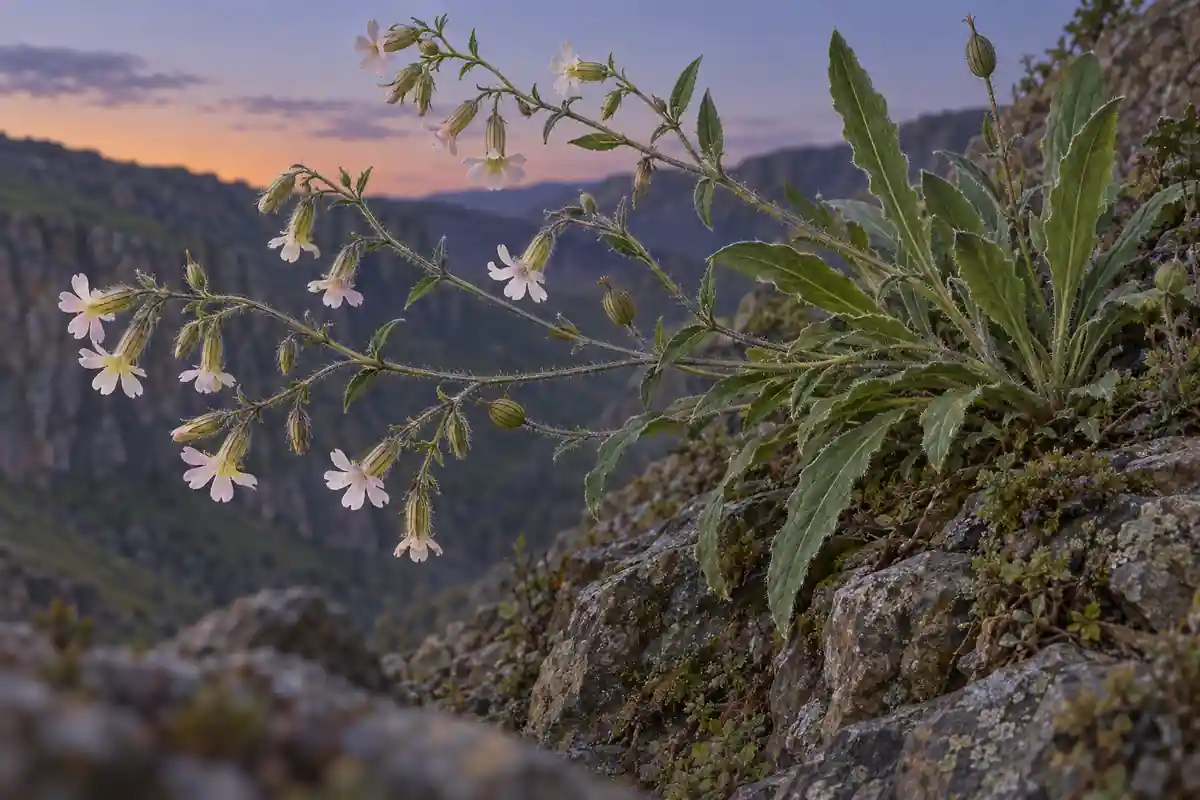
Ubulawu dream roots
A class of southern African roots that foam when whisked in water. Xhosa and other southern African diviner-healers use them, including those seeking clear instructions from their ancestors in dreams.
-
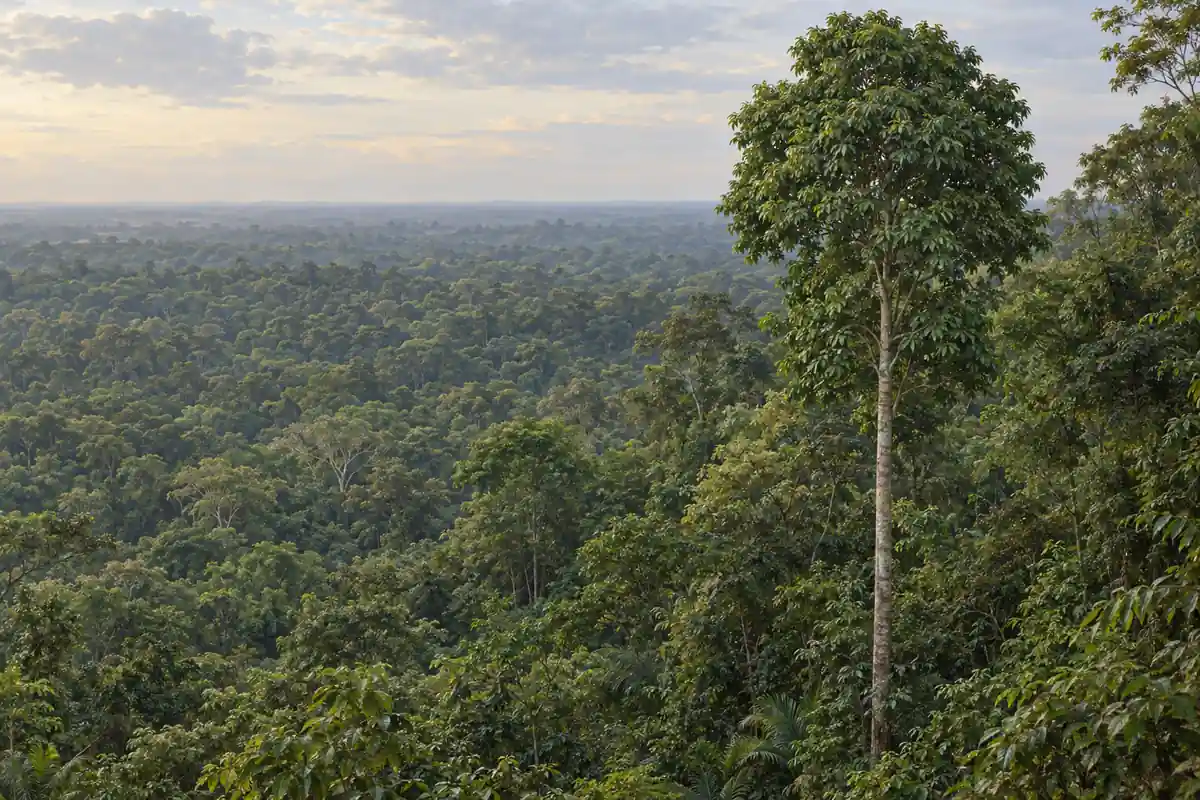
Virola snuff (yãkoana)
A snuff made from the red resin of Amazonian Virola trees, inhaled by Yanomami shamans.
-
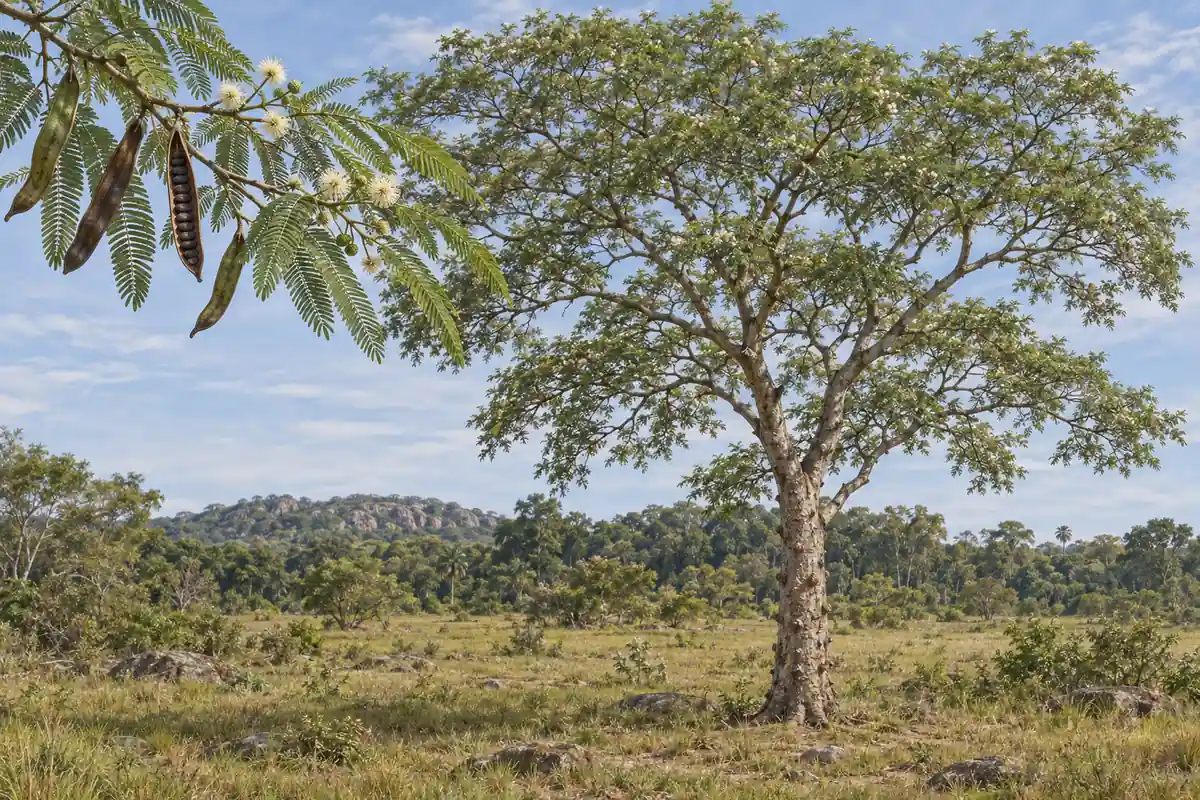
Yopo snuff
A visionary snuff made from the seeds of a tree native to South America and the Caribbean, used by Piaroa shamans and other peoples of the Orinoco and reported among some Yanomami groups.