Who takes the medicine, and how does it heal?
Who takes a sacred medicine at a healing, and how does healing happen? Seven traditions answer in turn, each in the words of its own healers and specialists. They range from Wixárika pilgrims in Mexico and Koryak shamans to a healer and patient at a Fijian bowl, in accounts recorded between the 1930s and 2025. Each answer is what particular people said or did, as an article on our site reports it.
-
Wixárika Hikuri Pilgrimage
Central America, Mexico
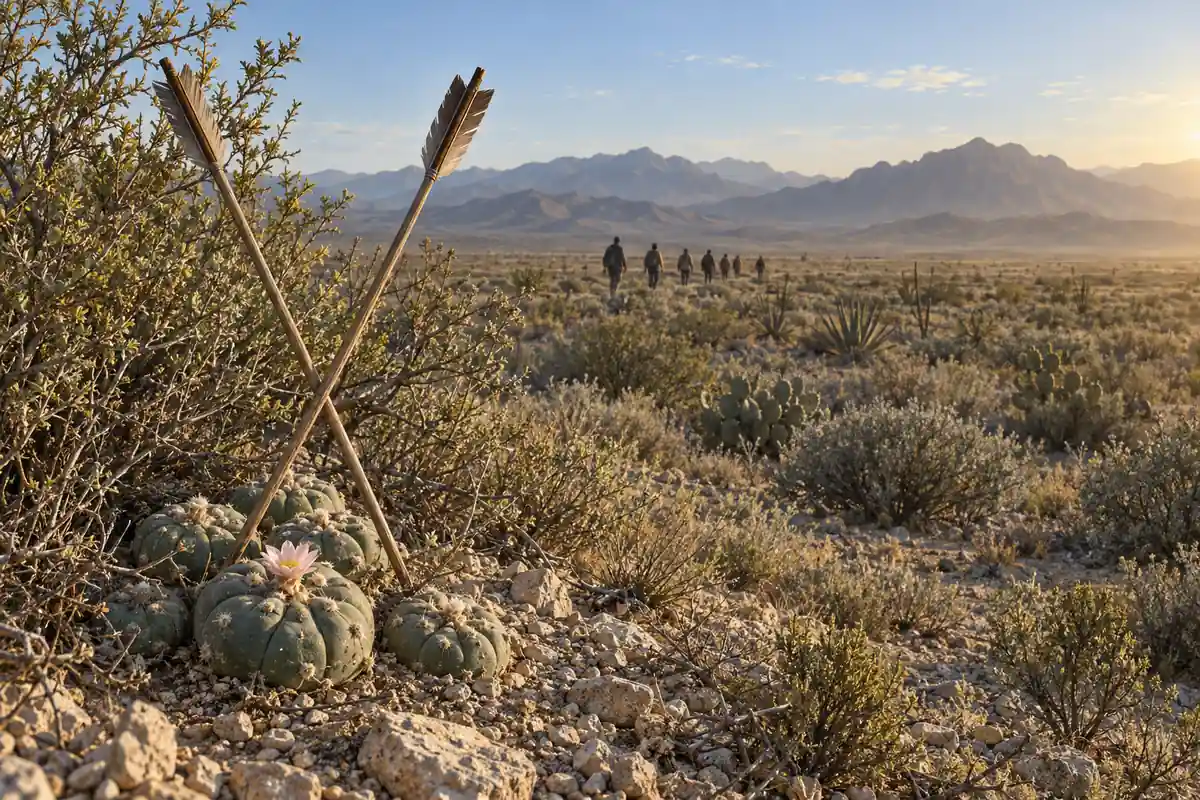
In Wixárika accounts gathered in 2004–2006, health meant completeness, including keeping the costumbre, the cycle of ceremonies, offerings and pilgrimages. In the hardest cases, to cure sorcery, a mara’akame, a singer and healer, fasts long and eats hikuri (peyote) during the cure. He asks the gods to show what afflicts the person and who caused it. In 2019 an elderly mara’akame said hikuri “teaches you to cure.” He said anyone may take part in the ceremonies after the mara’akame’s blessing.
a singing mara'akame undertakes long fasts and eats hikuri during the cure
In the article, section Obligation, sight and cure -
San Pedro Mesa Curanderismo
South America, Peru
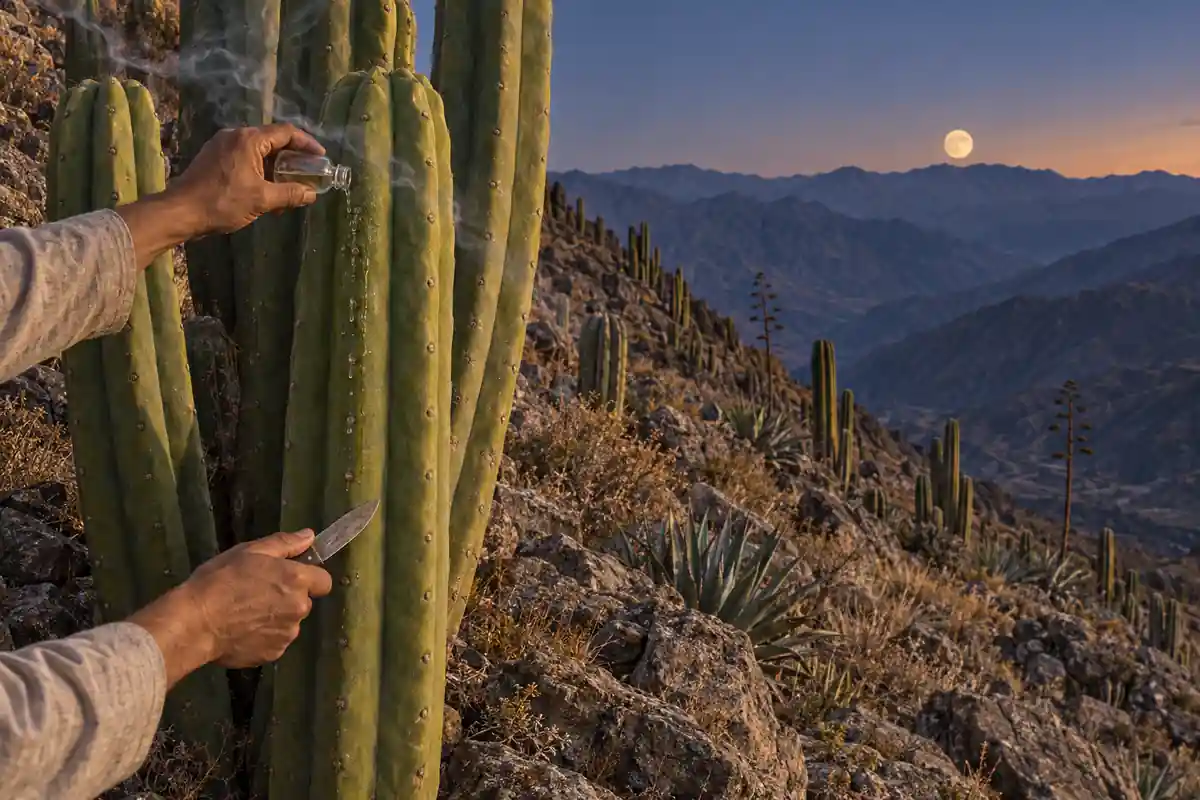
In two accounts from Peru’s north coast, early 2000s and 2009, the healer, assistants and patients take tobacco, and then the San Pedro cactus is drunk. “I see the causes of illnesses,” one healer said. After midnight the healer tracks the trouble, names its cause and draws the illness out. Near dawn, the florecimiento, or “flowering,” is understood as the start of a new period of health. Healers say the drink gives them vision and purges and cleanses the patient.
it gives the curandero vision, and it purges and cleanses the patient
In the article, sections Daño and the work of seeing and A night before the mesa and How much is the cactus? -
Mazatec Mushroom Velada
Central America, Mexico
A Mazatec specialist in Oaxaca, Mexico, may advise the afflicted person to “see with their own eyes” who or what is responsible. The specialist may eat the mushrooms alongside the patient, or only one of them may eat while the other guides or reports. The specialist feels the patient’s body for the illness, massages where it lies, and symbolically carries it out the door. “I speak to the Mushrooms, or the Mushrooms speak to me,” one specialist said.
They may eat the mushrooms alongside the patient, or only one of them may eat while the other guides or reports.
In the article, section Seeing with one's own eyes -
Ololiuqui and Badoh Seed Divination
Central America, Mexico
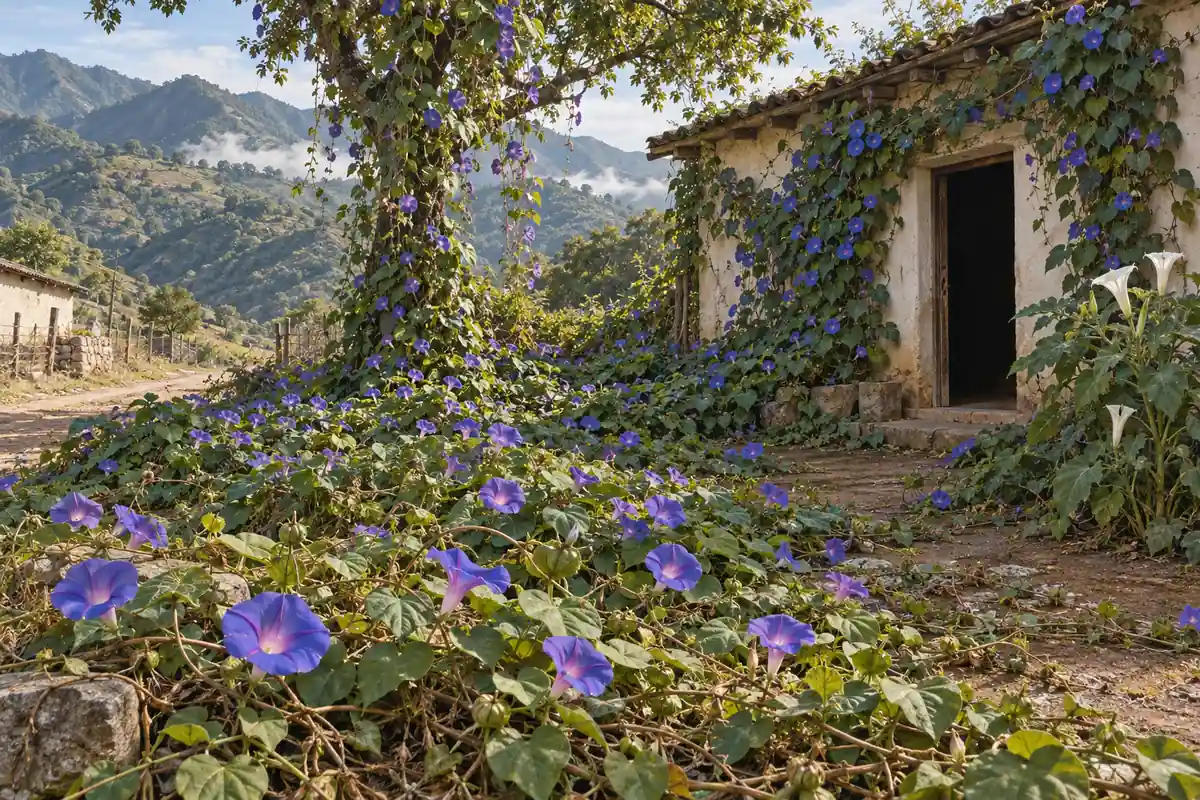
In two Mixtec villages in Oaxaca, Mexico, studied in 2010, the specialist does not cure: she listens and makes sure the herb’s instructions are carried out. The sick person sees, understands and learns what must be done. In the 1930s, soothsayers called piuleros usually drank the morning glory seeds’ drink themselves and advised clients. Around 1959, a healer in the Zapotec town of San Bartolo Yautepec described a vigil where the sick person drank: “And so everything is revealed.”
the specialist in these villages does not cure
In the article, sections The woman who listens and Who drinks -
Fang Bwiti Iboga
Middle Africa, Gabon, Equatorial Guinea
In an early 1970s account, members of the Bwiti religion ate eboka (iboga) in small amounts at ceremonies, and once or twice in life a larger amount to “break open the head” and contact the ancestors. In the theologian Ondřej Havelka’s research in Gabon (2001–2019), the nganga, the healer, judges how much one can withstand, and ngangas say it amplifies one’s basic attitude. Three healers of another Bwiti form wrote in 2017 that it treats all levels of a person.
iboga powerfully amplifies a person's basic attitude toward the ritual, toward themselves, and toward others
In the article, sections Seeing the Dead and Bwiti and Iboga Today -
Koryak Fly Agaric
Northern Asia, Russia
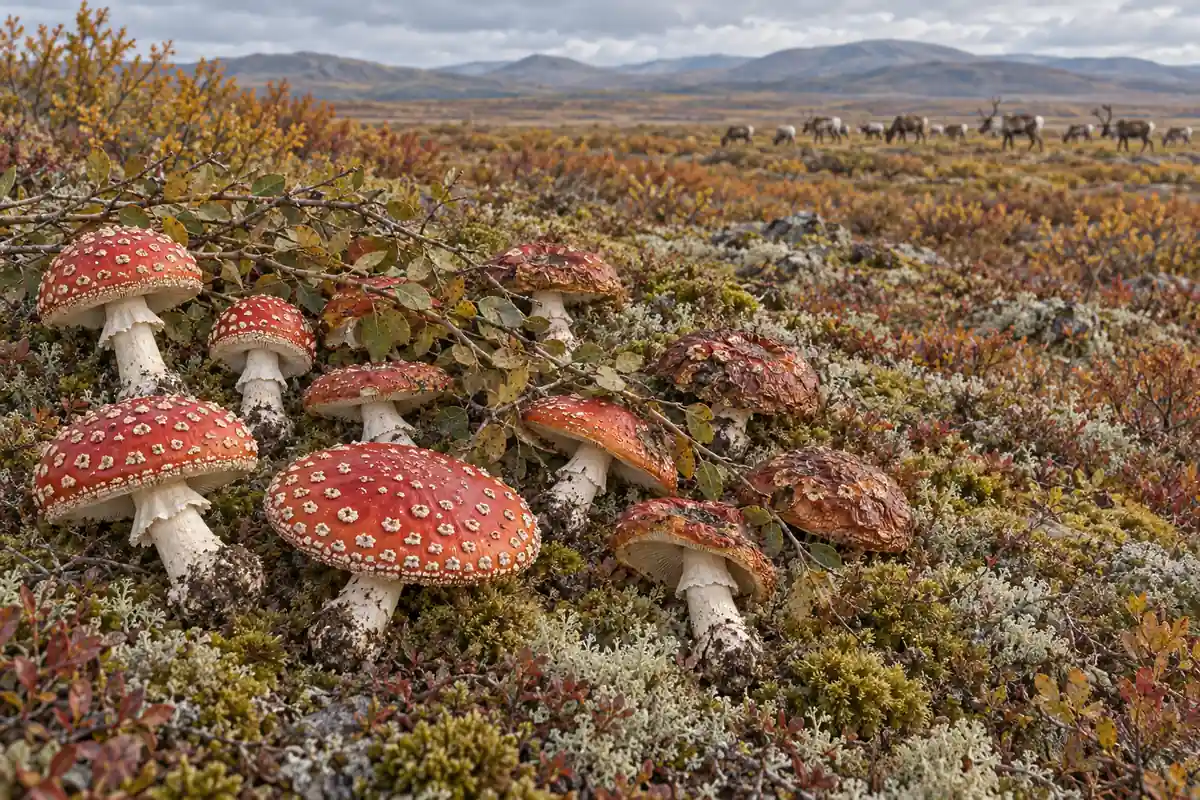
In the later Koryak record from Kamchatka, shamans and their helpers, mostly older men, were expected to eat fly agaric. So were men doing heavy work. Others could eat it on special occasions, and rules for women changed. In séances in darkness, a practitioner under the mushroom was said to seek control over harmful spirits, nimvit. In a myth, the agaric tells every person what ails them. In the 1980s–1990s, it was put on the edges of festering wounds.
In shamanic séances held in complete darkness, a practitioner under the mushroom was said to seek control over the harmful spirits called
In the article, sections Who ate it, and for what and Healing and seeing -
Fijian Yaqona (Kava)
Melanesia, Fiji
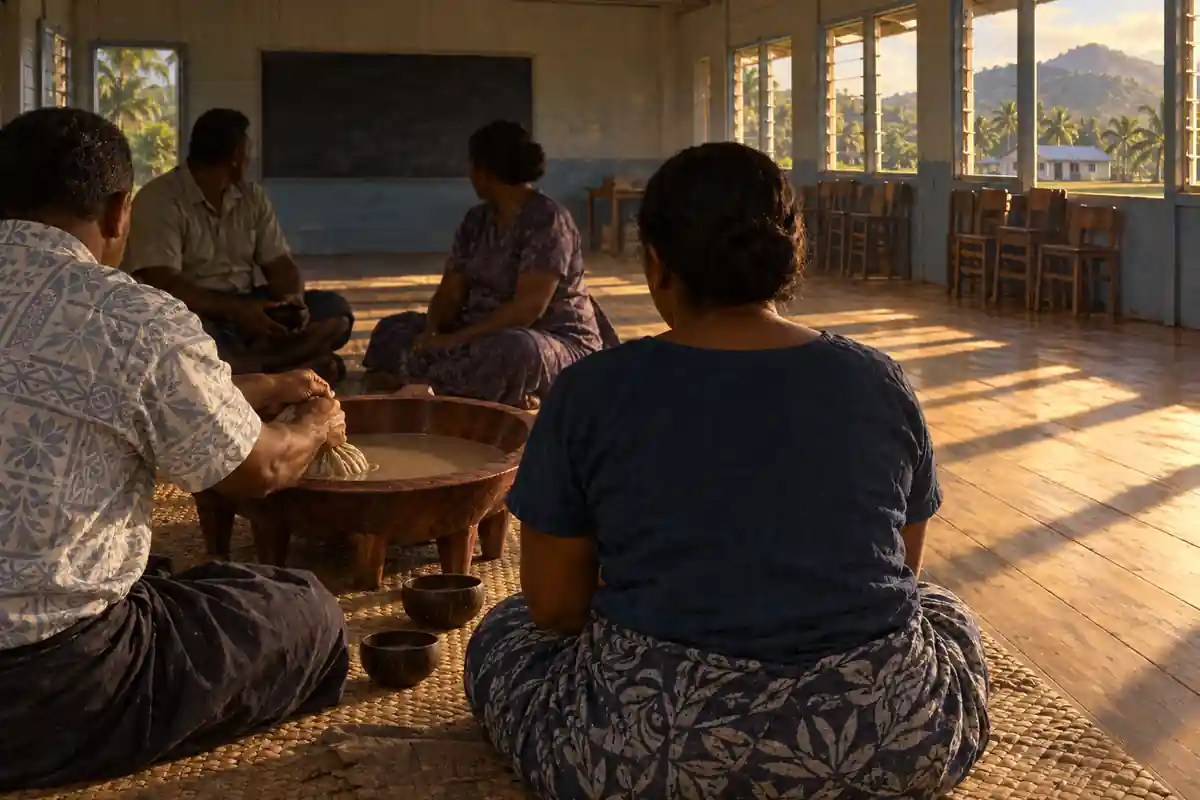
In Fiji, yaqona, called kava elsewhere, is not taken as a cure. It is drunk to install a chief, as at Lakeba in July 2025. In the matanigasau, a formal apology, sharing it shows that a relationship has been restored. Drinking it is understood to confirm a person’s place in the vanua, the land and its people. A traditional healer’s treatment often begins with presenting and sharing yaqona with the patient, understood to give it mana, spiritual power.
sharing the drink shows that the relationship has been restored
In the article, sections The water of the land and Chiefs and the bowl and Spirits, healers, and the churches